
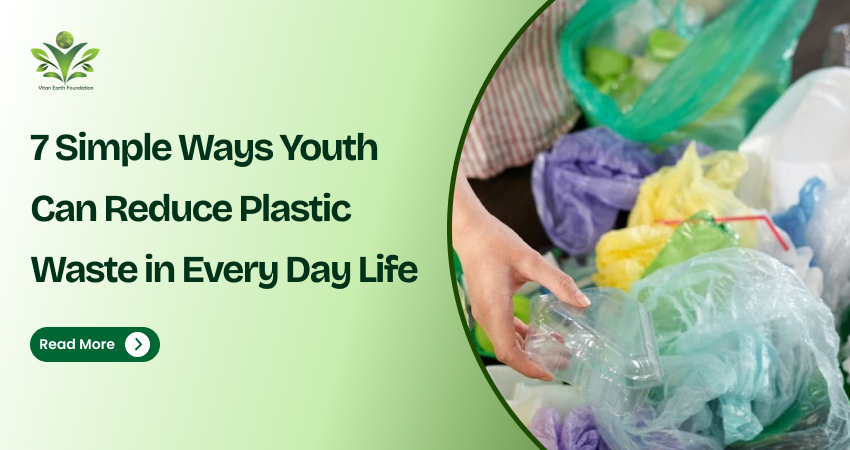
7 Simple Ways Youth Can Reduce Plastic Waste in Every Day Life
Plastic contamination is among the largest problems our atmosphere faces today. India is amongst the countries that produce the most plastic waste. You can see plastic almost everywhere-- on roads, in rivers, oceans, and garbage dumps. Youths can make a genuine distinction because when numerous young people take little actions every day, together they produce a huge favorable modification.
The best part is that lowering plastic waste does not require a lot of cash or huge way of life adjustments. Basic day-to-day routines can assist a whole lot. Right here are 7 easy methods youngsters can reduce plastic waste.
1. Say No to Single-Use Plastic
Single-use plastic items like bring bags, straws, cups, and spoons are made use of for only a few mins, however they remain in nature for hundreds of years. Start carrying a towel bag when you shop. Keep a steel straw or multiple-use spoon in your bag. Miss plastic packaging when you can. These small options truly aid.
2. Usage Reusable Water Bottles and Lunch Boxes
Think about the number of plastic bottles and food containers we get rid of every day. Rather, use a steel or glass water bottle. Load your lunch in a reusable box. Institutions and universities can motivate trainees to do this. It is among the most convenient methods to decrease plastic waste.
3. Separate Your Waste in your home
Arranging your trash properly is really essential. Maintain two containers in the house-- one for completely dry waste (like plastic, paper, and metal) and one for wet waste (like food scraps). When waste is divided, it becomes a lot easier to recycle. This quits plastic from ending up in rivers or trash mountains.
4. Assistance Recycling and Get Creative
Reusing works when people actually arrange their waste effectively. You can sustain regional recycling programs in your location. Or get imaginative and transform old plastic into something helpful-- like plant pots, storage boxes, or art work. It's enjoyable and also educates others what they can do.
5. Pick Products with Less Product Packaging
Many things we purchase come wrapped in excessive plastic. Try to find products with simple or eco-friendly packaging. Get larger packs as opposed to many small ones. Pick refill packs when readily available. Support companies that respect the setting. Your buying options matter.
6. Spread the Word on Social Media
Youngsters are energetic on Instagram, YouTube, and various other platforms. Share articles and videos regarding decreasing plastic. Offer ideas that can follow. When your good friends see what you're doing, they could try it too. Understanding spreads fast online and can inspire actual adjustment.
7. Sign Up With CLean-Up Drives and Environment-friendly Campaigns
Participate in coastline clean-ups, park cleansing events, or ecological programs in your city. These activities assist get rid of plastic that's currently around. They also make you really feel much more attached to the cause. When youth get entailed, areas focus.
Faq's
1. What are the main sources of plastic waste at home?
Plastic packaging, single-use bottles, grocery bags, disposable cutlery, food wrappers, and old containers are the main sources of household plastic waste.
2. How can schools and colleges reduce plastic pollution?
Schools and colleges can reduce plastic pollution by banning single-use plastics, promoting reusable bottles and lunch boxes, organizing awareness campaigns, and setting up proper recycling bins.
3. What are the best alternatives to single-use plastics?
Reusable cloth bags, stainless steel bottles, glass containers, bamboo cutlery, and biodegradable packaging are the best alternatives to single-use plastics.
4. How does plastic waste impact health and the environment?
Plastic waste pollutes soil, rivers, and oceans, harming wildlife. Chemicals from plastics can enter food and water, posing health risks like hormone disruption and respiratory problems.
5. What can businesses do to minimize plastic waste?
Businesses can reduce plastic waste by using eco-friendly packaging, promoting reusable products, recycling materials, and raising awareness among employees and customers.
6. How to reduce plastic waste in daily life?
Carry reusable bags, bottles, and containers, avoid single-use plastics, recycle wherever possible, and choose products with minimal or no plastic packaging.
7. What are 10 ways to reduce waste?
- Use reusable bags, bottles, and containers
- Avoid single-use plastics
- Compost organic waste
- Buy products with minimal packaging
- Repair instead of replacing items
- Donate or sell unused items
- Recycle plastics, paper, and metals
- Use cloth napkins and towels
- Shop in bulk to reduce packaging
- Support eco-friendly brands
8. What are 5 ways to recycle plastic?
- Separate plastics by type before recycling
- Clean and dry containers before disposal
- Use local recycling bins or centers
- Repurpose plastic items creatively at home
- Support businesses that accept plastic for recycling
9. What are the 6 R's to reduce plastic pollution?
Refuse, Reduce, Reuse, Recycle, Recover, and Rot (compost). These practices help minimize plastic pollution effectively.
10. Which of the 7 types of plastics are recyclable?
Plastics labeled #1 (PET), #2 (HDPE), #4 (LDPE), and #5 (PP) are commonly recyclable. #3 (PVC), #6 (PS), and #7 (Other) are difficult to recycle and often not accepted by curbside programs.
Conclusion
Plastic waste is a serious concern, but we can control it with easy daily activities. Youth is India's future. The choices you make today will form tomorrow. By utilizing less plastic, educating others, and sustaining environment-friendly routines, youngsters can lead the way toward a cleaner India. Start small, start today every action matters.
Post Reply