
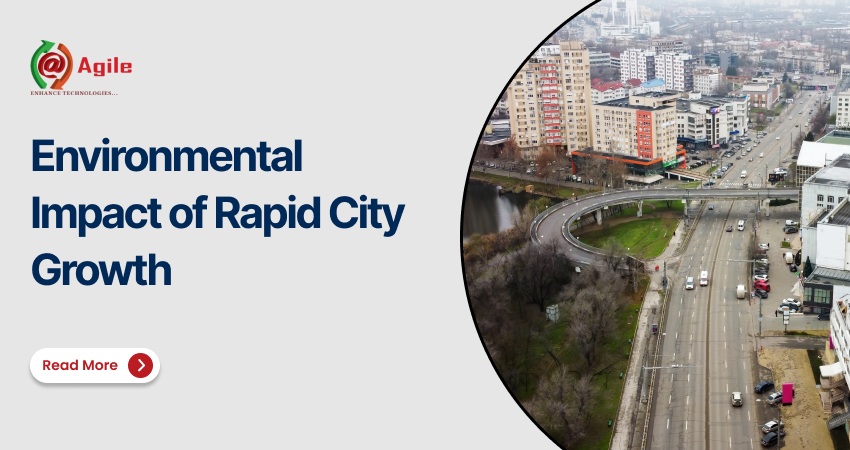
In the contemporary globe, rapid urbanization and automation are typically seen as icons of progress and economic growth. Cities are broadening, industries are increasing, and infrastructure advancement is accelerating at an extraordinary speed. Nevertheless, this fast development has come at a significant ecological cost. The impact of urbanization and industrialization on the atmosphere has actually raised significant issues worldwide, specifically in developing countries like India. Recognizing just how urbanization and commercial growth influence communities is crucial for developing a lasting future.
Exactly How Does Urbanization Influence the Setting?
Urbanization describes the activity of people from rural areas to cities, leading to the development of metropolitan settlements. While city development boosts access to education, medical care, and employment, it likewise places tremendous pressure on natural deposits. Among the significant questions today is just how does urbanization influence the atmosphere?
As cities expand, woodlands, marshes, and agricultural lands are removed to make space for housing, roadways, and commercial buildings. This results in habitat damage and loss of biodiversity. The extreme use of natural resources such as water, land, and power further depletes the ecological community. Urban locations also produce huge amounts of waste, bring about dirt, water, and air contamination.
How Is Urbanization In Charge Of Destruction of Ecosystems?
Lots of people ask just how urbanization is responsible for the destruction of communities, and the answer hinges on unplanned growth. All-natural communities operate via a delicate equilibrium, however urban expansion interrupts this equilibrium. Deforestation, advancement on wild animals environments, and change of all-natural drainage systems straight influence communities.
Urban building usually results in soil erosion and reduced groundwater recharge. Rivers and lakes are contaminated by sewer discharge and hazardous waste, influencing marine life. As environment-friendly areas shrink, metropolitan warmth islands establish, raising temperatures and affecting neighborhood climate conditions.
The Adverse Effects of Rapid Urbanization are:
The damaging impacts of rapid urbanization show up in virtually every significant city. These include raised air pollution, water shortage, traffic jam, and improper waste management. The expanding variety of cars contributes to greenhouse gas exhausts, worsening climate change.
Urban flooding has actually additionally ended up being common because of the loss of natural water absorption locations. Poor air quality results in respiratory conditions, while polluted water triggers serious health and wellness concerns. These troubles highlight the urgent need for lasting urban planning.
Effect of Industrialisation on Setting
Industrialization has actually played a crucial role in financial development, yet the effect of industrialisation on the atmosphere is extensive. Industries consume substantial quantities of energy and basic materials, usually removed from nature without sufficient repair.
Industrial tasks launch unsafe contaminants into the air, water, and soil. Discharges from manufacturing facilities add to air pollution and acid rain, while commercial effluents pollute rivers and groundwater. Solid industrial waste additionally deteriorates land top quality, making it improper for farming or habitation.
Impacts of Industrialization on the Atmosphere
The effects of industrialization on the environment consist of environment modification, exhaustion of natural deposits, and eco-friendly discrepancy. Fossil fuel-based sectors are major contributors to carbon discharges, accelerating international warming.
Deforestation for mining and industrial projects destroys natural habitats and reduces carbon sinks. Noise pollution from commercial operations affects both people and wildlife. In time, these results weaken the resilience of environments and boost the regularity of all-natural disasters.
Impact of Industries on Atmosphere
The influence of industries on the environment is specifically extreme in industrial zones where environmental guidelines are inadequately implemented. Industries discharge harmful chemicals, heavy metals, and untreated waste into close-by water bodies, affecting water ecosystems and human health.
Industrial smoke and particulate issues decrease air quality, causing smog and health hazards. Lasting direct exposure to industrial pollution can create persistent ailments and reduce life span, especially in largely populated metropolitan areas.
Impacts of Industries on Environment
The impacts of markets on setting surpass air pollution. Industrial expansion frequently brings about variation of regional neighborhoods and loss of incomes dependent on natural resources. Agricultural land is exchanged for commercial land, lowering food production capability.
Industries also increase water intake, causing water stress and anxiety in surrounding locations. In lots of areas, groundwater levels are decreasing quickly as a result of extreme industrial usage, influencing both rural and city populaces.
Impact of Urbanisation in India
The influence of urbanisation in India is an essential concern because of fast population growth and unintended city development. Indian cities deal with severe obstacles such as air pollution, water shortages, waste management problems, and loss of green cover.
Urban rivers like the Yamuna and Mithi have actually become highly polluted because of unattended sewer and hazardous waste. Slums and informal settlements typically do not have proper cleanliness, more boosting environmental and wellness risks. Sustainable urban growth is necessary to resolve these difficulties.
Impact of Automation in India
Likewise, the impact of industrialization in India has been substantial. While markets have actually enhanced work and economic development, they have actually additionally added to environmental degradation. Industrial centers usually encounter high air pollution levels because of lax enforcement of environmental legislations.
Mining, thermal power plants, and manufacturing markets have caused logging, air pollution, and water contamination. However, with more stringent laws and the fostering of cleaner innovations, India has the prospective to balance development and environmental management.
Influence of Growth on Setting
The total influence of advancement on setting relies on exactly how development is intended and executed. Unsustainable advancement prioritizes short-term economic gains over long-term environmental wellness. This strategy results in source depletion, pollution, and eco-friendly discrepancy.
On the other hand, lasting development concentrates on conference present requirements without endangering the ability of future generations to satisfy their own. Green infrastructure, renewable energy, waste recycling, and green industrial practices can significantly decrease ecological damages.
Conclusion
The effect of quick urbanization and automation on the setting can not be disregarded. From environment devastation to contamination and environment modification, the consequences are far-ranging. Comprehending how urbanization influences the environment, the impacts of industrialization on the setting, and the influence of industries on atmosphere is the primary step towards change.
To minimize the adverse impacts, federal governments, industries, and individuals have to interact to promote lasting techniques. Planned urban development, strict ecological policies, and the adoption of green innovations can aid shield ecological communities while sustaining economic development. Just through responsible development can we guarantee a healthy and sustainable environment for future generations.
FAQ’s
Q1: What are the environmental impacts of rapid urbanization?
Rapid urbanization leads to deforestation, loss of biodiversity, air and water pollution, increased waste, and strain on natural resources.
Q2: What is the impact of rapid population growth on the environment?
It increases demand for land, water, and energy, causing deforestation, pollution, and resource depletion.
Q3: How does rapid economic growth affect the environment?
Rapid economic growth can increase industrial emissions, waste production, energy consumption, and environmental degradation if not managed sustainably.
Q4: What are the environmental impacts of rapid industrialization?
Industrialization causes air and water pollution, soil contamination, habitat destruction, and greenhouse gas emissions.
Q5: What are the effects of industrialization and urbanization on the environment?
Both contribute to pollution, resource depletion, habitat loss, climate change, and increased pressure on ecosystems.
Q6: What impact did industrialization have on the environment?
Industrialization led to large-scale pollution, deforestation, and environmental imbalance.
Q7: What was the main impact of industrialization?
The main impact was environmental degradation, including air and water pollution and loss of natural habitats.
Q8: What are the various impacts of industries on the environment?
Industries affect the environment through emissions, waste, chemical discharge, deforestation, and overuse of resources.
Post Reply