
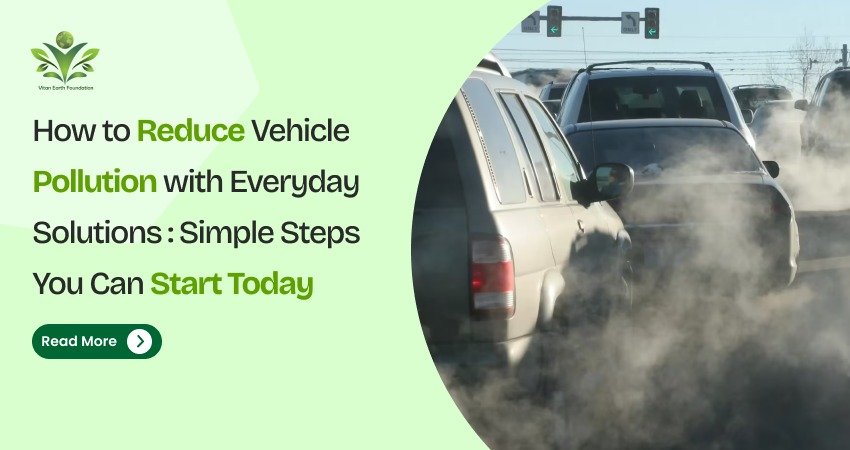
Automobile exhaust has become one of the biggest challenges in modern urban life. Cars, motorcycles, and heavy vehicles release harmful gases like carbon monoxide into the air every day. This polluted air not only causes serious health problems such as asthma and respiratory diseases but also contributes significantly to global warming.
The good news is that reducing vehicle pollution does not always require expensive technology or major lifestyle changes. By making small adjustments to our daily habits, we can immediately lower emissions, save fuel, and improve air quality. Let’s explore some simple and practical steps anyone can follow.
5 Simple and Easy Ways to Reduce Vehicle Pollution
Every day, millions of vehicles burn fuel and release toxic fumes into the atmosphere. In crowded cities, traffic jams make the situation even worse due to constant braking and idling. This pollution forms smog, which irritates the eyes, damages lungs, and affects children and elderly people the most.
While governments and authorities create regulations, real change begins at the individual level. When each of us takes responsibility, the combined impact can be massive. Even small daily actions can lead to cleaner air and reduced fuel expenses.
1. Drive Smartly to Reduce Emissions
One of the easiest ways to reduce vehicle pollution is by improving your driving habits. Aggressive driving wastes fuel and produces more harmful emissions.
Follow these smart driving practices:
-
Maintain a steady speed: Avoid sudden acceleration and hard braking, especially in city traffic.
-
Turn off the engine during long stops: If you are stopped for more than 10 seconds at a signal or parking area, switch off the engine.
-
Accelerate smoothly: Gentle acceleration reduces fuel consumption and pollution.
If you drive around 20 km daily, these simple habits can reduce emissions by 10–20%. Using navigation apps to avoid heavy traffic can further help by minimizing stop and go driving. Cleaner air from reduced emissions also supports tree survival in urban areas, as trees are sensitive to smog and harmful gases.
2. Keep Your Vehicle Well-Maintained
A well-maintained vehicle produces significantly less pollution. Poorly maintained engines burn fuel inefficiently and often emit black smoke.
Basic maintenance tips:
-
Regular servicing: Change engine oil on time and keep air filters clean.
-
Maintain correct tire pressure: Under-inflated tires force the engine to work harder, increasing fuel usage.
-
Fix leaks immediately: Oil or fuel leaks waste resources and harm the environment.
Routine maintenance not only lowers emissions but also improves vehicle performance and reduces long-term repair costs. Lower pollution levels help urban greenery thrive and increase the survival rate of trees, creating healthier, greener cities.
3. Be Smart About Fuel Usage
The type and quality of fuel you use play a crucial role in pollution levels.
Make better fuel choices:
-
Choose cleaner alternatives: Consider CNG or electric vehicles where possible, as they produce much lower or zero emissions.
-
Buy fuel-efficient vehicles: High mileage vehicles consume less fuel and pollute less.
-
Avoid unnecessary load: Remove heavy items from your vehicle to improve fuel efficiency.
Additionally, proper disposal of biomedical waste from vehicles (like used masks, gloves, or contaminated cloths during service) prevents toxic pollution, which can otherwise affect soil and water near urban trees and reduce their survival rate.
4. Walk, Cycle, or Share Rides Whenever Possible
Not every trip requires a personal vehicle. Reducing vehicle usage is one of the most effective ways to fight air pollution.
Alternative travel options:
-
Walk short distances: For trips under 2–3 km, walking is pollution-free and great for health.
-
Use a bicycle: Ideal for nearby errands and local travel.
-
Use public transport: One bus can replace dozens of cars, drastically reducing emissions.
-
Carpool or rideshare: Sharing rides with colleagues or friends cuts pollution and fuel costs.
Fewer vehicles on the road mean less pollution, which helps trees absorb more carbon dioxide and improves their growth and survival rate.
5. Adopt Simple Daily Planning Habits
Pollution control also starts with better planning.
Easy lifestyle changes:
-
Combine errands: Complete multiple tasks in one trip instead of several short trips.
-
Work from home: Even a few remote working days per week can eliminate unnecessary commuting.
-
Smart parking: Parking slightly farther away reduces congestion and unnecessary driving.
Families can even plan a “car-free day” once a week to build eco-friendly habits and promote cleaner surroundings. Proper handling of biomedical waste in households and communities also reduces the burden on landfills, protecting soil and trees, and enhancing the overall survival rate of urban greenery.
Frequently Asked Questions
1. What is vehicle pollution and why is it harmful?
Vehicle pollution is the release of harmful gases like CO2, NOx, and particulate matter from vehicles. It causes air pollution, respiratory problems, and damages the environment.
2. How can I reduce pollution from my car?
You can reduce car pollution by driving smoothly, maintaining your vehicle regularly, using cleaner fuel, and switching off the engine during long stops.
3. Does using public transport help reduce vehicle pollution?
Yes, public transport reduces the number of individual vehicles on the road, lowering overall emissions and helping improve air quality.
4. Can electric or CNG vehicles really reduce pollution?
Absolutely! Electric vehicles produce zero emissions, while CNG vehicles emit far fewer pollutants than petrol or diesel cars.
5. How does proper vehicle maintenance lower pollution?
Regular servicing, clean air filters, correct tire pressure, and fixing leaks make your engine efficient, reducing fuel consumption and harmful emissions.
6. Can walking or cycling make a real difference?
Yes, even short trips done by walking or cycling reduce vehicle usage and emissions, contributing to cleaner air and healthier cities.
7. How does biomedical waste relate to vehicle pollution?
Improper disposal of used masks, gloves, and other vehicle-related biomedical waste can contaminate soil and water, indirectly harming the environment and trees.
8. Does reducing vehicle pollution help trees survive?
Yes, fewer emissions mean cleaner air and less acid deposition, which increases the survival rate of urban and roadside trees.
9. Are carpooling and ride-sharing effective?
Definitely! Sharing rides reduces the number of cars on the road, cutting fuel consumption, traffic congestion, and overall pollution.
10. What small daily habits can help reduce vehicle pollution?
Combine errands in one trip, plan routes to avoid traffic, use “car-free days,” and choose eco-friendly transport options whenever possible.
Conclusion
Reducing automobile pollution doesn’t require drastic changes just consistent, mindful actions. From driving smoothly to choosing walking or cycling, every step you take contributes to cleaner air and a healthier future.
Imagine cities with blue skies, fresh air, and safer environments for our children. You have the power to help make that vision a reality. Start implementing these simple tips today, and be part of the change.
Organizations like Vitan Earth Foundation, a dedicated Environment NGO in Delhi NCR, are working tirelessly to promote sustainable practices and raise awareness about pollution control. By following these steps and supporting initiatives from such NGOs, we can create cleaner, greener, and healthier communities for everyone.
Post Reply